Find Your Muse — A World of Linocut Art
Before the gallery existed, makers worked in isolation — carving quietly, printing alone, rarely seeing what others were making at their own kitchen tables. This collection changes that. Here, prints from hobbyists and dedicated artists sit side by side, proof that the carved block speaks in many voices. Browse, linger, and let something catch your eye.
- Prints from every skill level
- Community-submitted works
- Themes across six categories
- Seasonal and botanical focus
The Printed Collection
Once, a maker had to visit a gallery or attend a printmaking fair to see what others were
carving. Now the work travels freely — image to screen to wall. This collection gathers
linocut prints across six recurring themes: botanical studies, wildlife portraits, geometric
patterns, portraiture, folk art motifs, and seasonal designs. Each print is a record of a
decision made at the block — a cut taken, a line committed to, a shape cleared away. Browse
slowly. The details reward it.
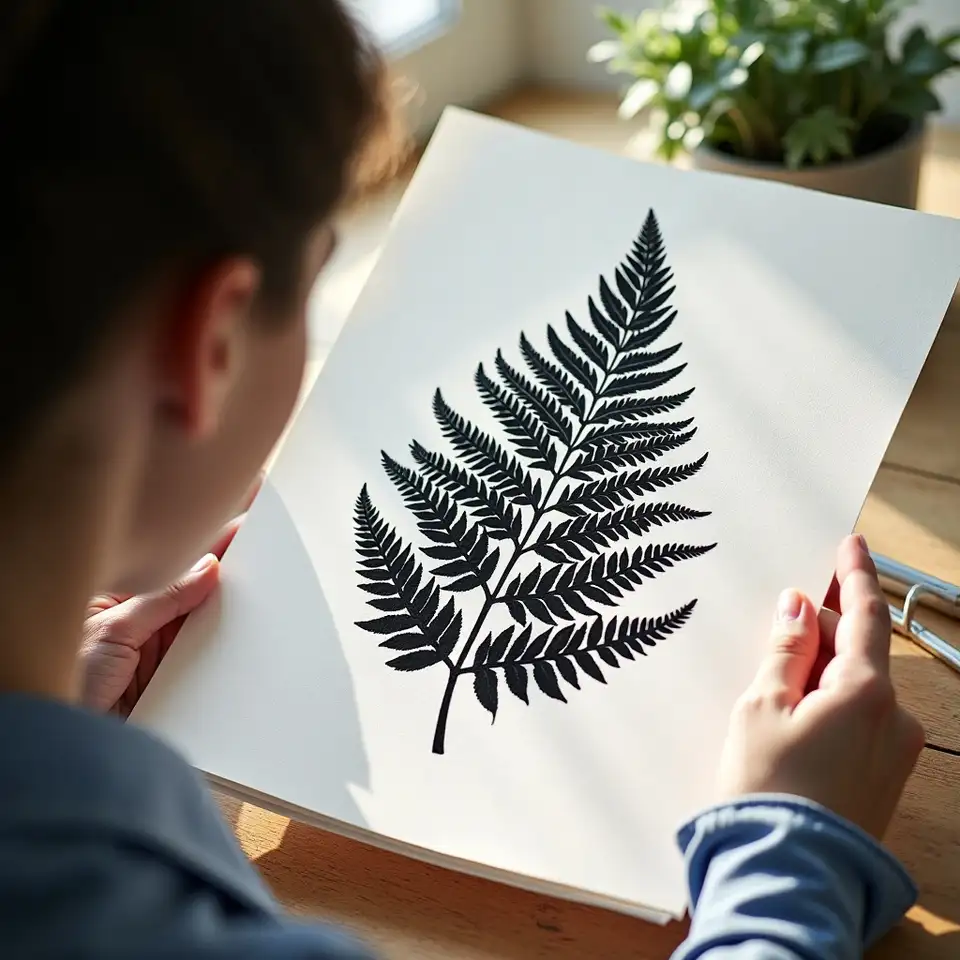
Featured
Botanical fern, fine line study
detailed fern fronds carved in fine linocut black ink on white paper
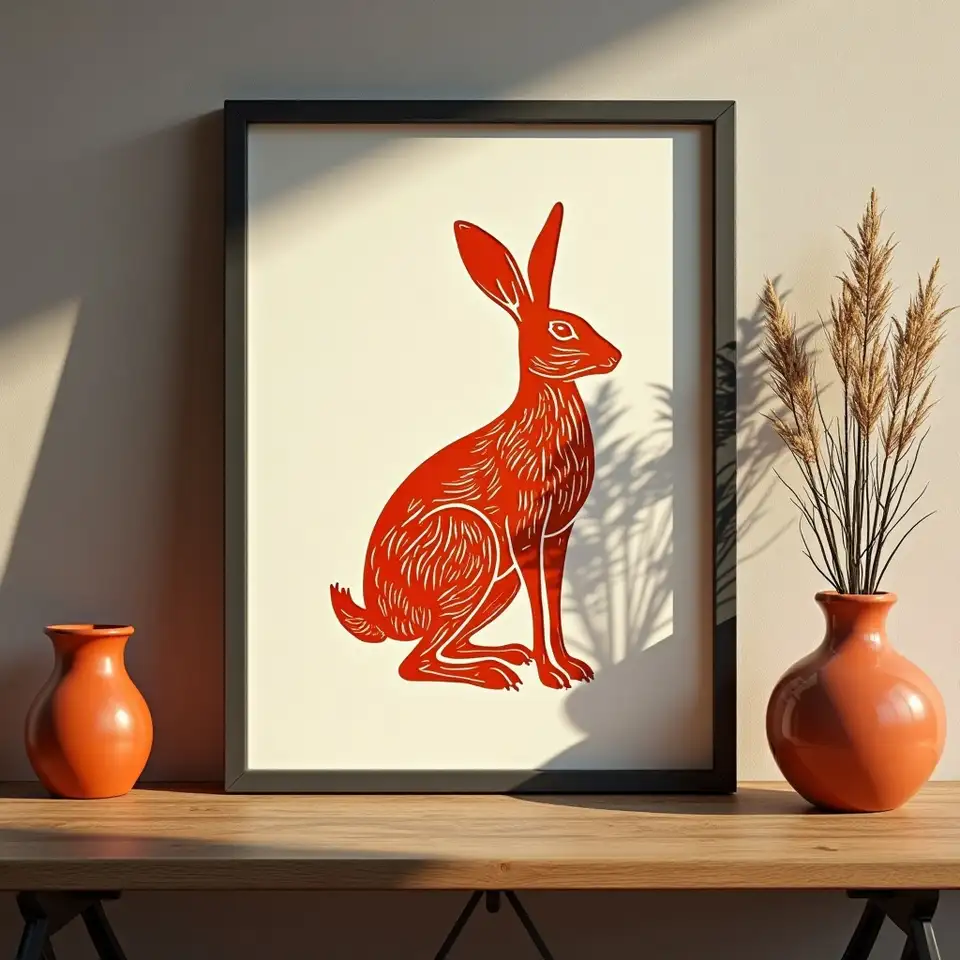
2
Running hare, bold reduction
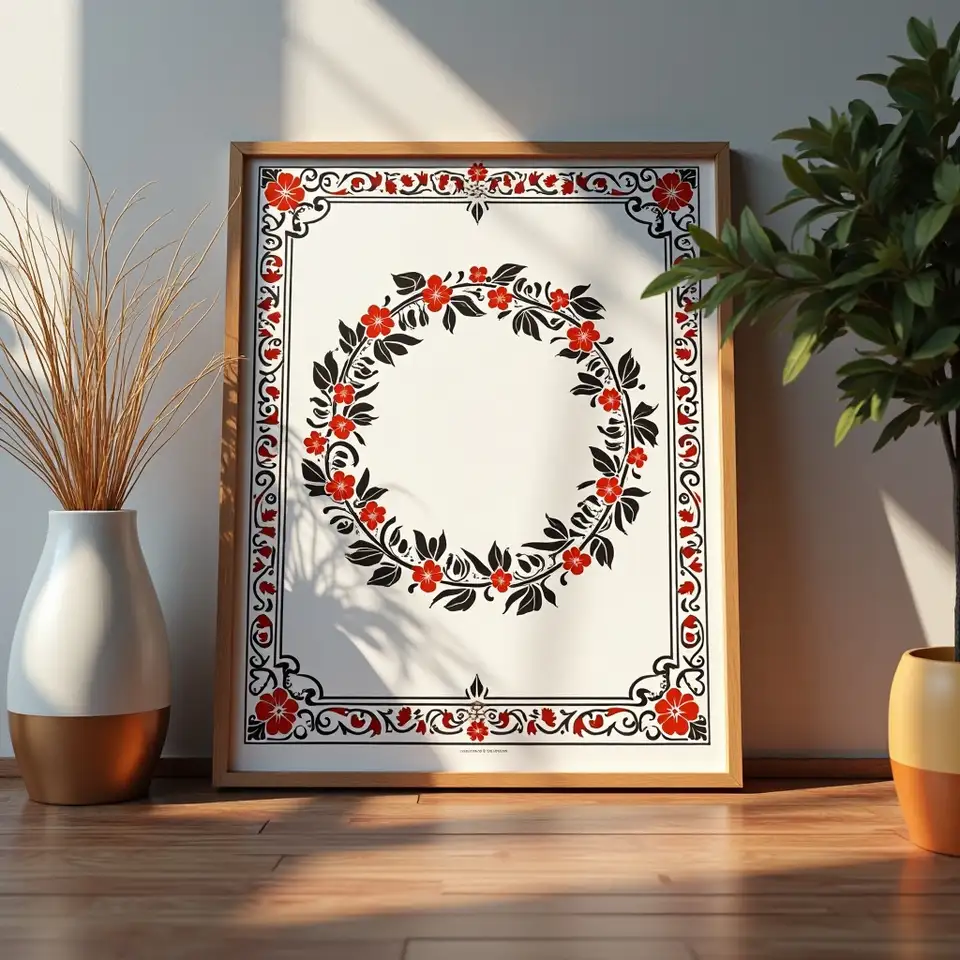
3
Folk wreath, two-colour print
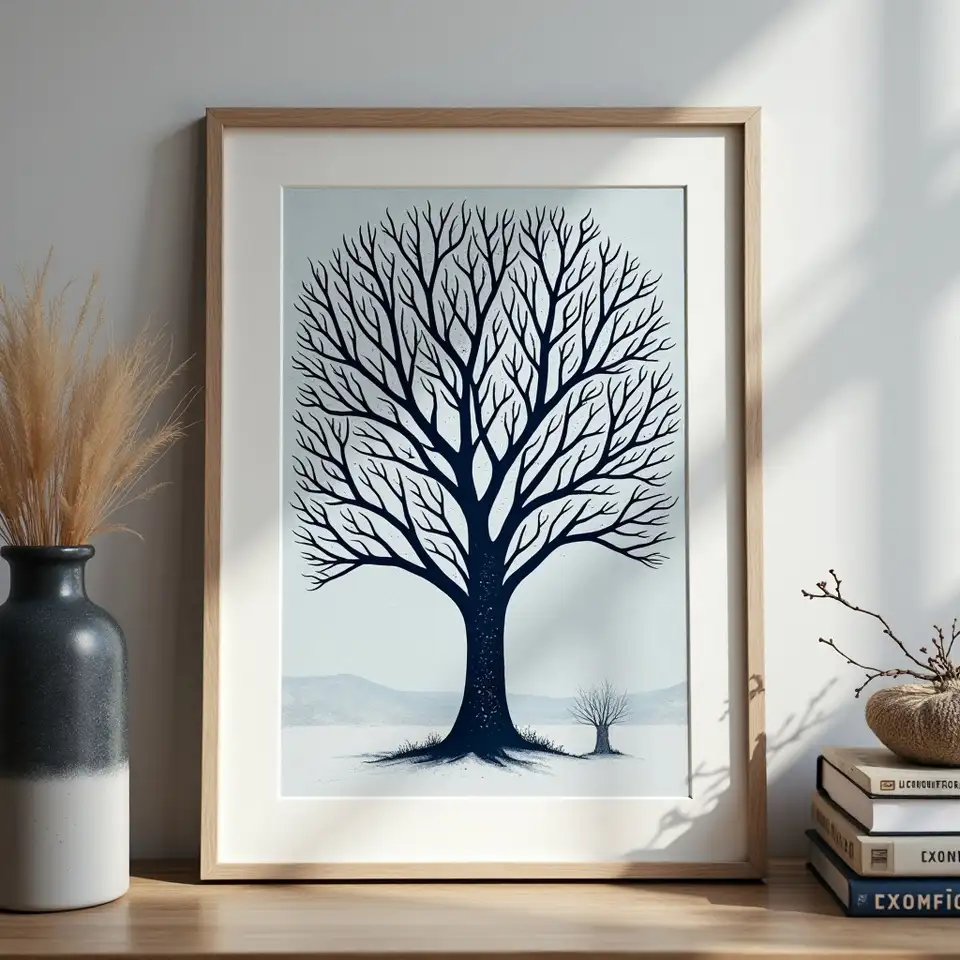
4
Winter branches, seasonal motif
Why a gallery matters more than a tutorial ever could
A technique guide can tell you how to hold a gouge, how to roll ink evenly, how to transfer a design without smearing the carbon. What it cannot do is show you where that knowledge leads when it is applied with patience and personal vision over months and years. The gallery does that. It shows the range of what is possible when a maker stops following instructions and starts following instinct. It is the argument for continuing when a first print disappoints. It is the evidence that the block repays the time you give it. We curate it with that purpose in mind — not to intimidate, but to demonstrate the full arc of what this craft can become.
1
Imperfection as information
Every uneven ink patch, every line that wandered slightly off course, every print that lifted to reveal a missed corner — these are not failures. They are data. The maker who studies their imperfect prints carefully learns faster than the one who discards them. The gallery includes work at every stage of refinement because that full spectrum is more useful than a curated selection of only the polished results. Seeing where another maker's early work fell short, and then seeing how it improved, is one of the most instructive things this gallery can offer.
2
Slowing down as craft practice
The gouge does not respond well to hurrying. A cut made too quickly overshoots its intended line. Ink rolled too fast builds unevenly across the block. Paper lifted too abruptly blurs the impression at the edges. Every stage of the linocut process rewards a slower pace, and that rhythm — unhurried, deliberate, attentive — is part of what makes the craft genuinely restorative for people who spend the rest of their day moving at the speed of a screen refresh. The prints in this gallery were made at that pace. It shows.
3
The meditative quality of the mark
There is a particular quality of attention that carving demands — focused enough to exclude distraction, but not so intense as to be exhausting. The gouge follows the line, the hand follows the gouge, and the mind follows the hand. For many makers, that chain of attention is the most valuable thing the craft provides. The gallery exists partly to honour that quality — to show the marks that resulted from that kind of sustained, quiet focus. Each print is evidence that someone was fully present for an afternoon.
4
Joy in making by hand
Before printing became fast and cheap and invisible, every image required someone to make a mark by hand. That directness — the maker's decision preserved in ink, transferred to paper, held there permanently — is what distinguishes a linocut print from any reproduction. The joy is not only in the finished object, though that is real and lasting. It is in the process: the resistance of the linoleum, the sound of the gouge, the moment of lifting the paper to see what transferred. The gallery captures the finished moment. The process belongs to the maker.
Makers on the Craft
Words from printmakers, artists, and hobbyists who found something worth keeping at the
carved block and the ink-rolled press
"The block does not lie. Every hesitation, every confident stroke, every moment of distraction — all of it is recorded in the surface and transferred faithfully to the page. That honesty is what I keep returning for."
"I had painted and drawn for years before I tried linocut. What surprised me was how different it felt to work in reverse — carving away what you do not want rather than adding what you do. It changed how I think about every mark I make."
"My first print was a disaster by any reasonable standard. The ink was too thick, the pressure was uneven, and I had forgotten to reverse the text. I kept it. It is still the most instructive thing I have made."
"There is something about the sound of a sharp gouge moving through linoleum that I find genuinely calming. I cannot fully explain it. I just know I feel better after an hour at the block than I did before I started."
"The reduction method taught me more about colour and planning than any other technique I have attempted. You cannot go back once a layer is carved away. That irreversibility focuses the mind considerably."
"I started with a ten-dollar starter kit from a local art supply shop. The tools were adequate for a first block. The curiosity was what mattered — and that cost nothing at all."
"What strikes me most about linocut is its democracy. You do not need an expensive studio or years of training. You need a flat surface, a sharp tool, and the patience to work slowly enough to let the material guide you."
"I teach printmaking to adults and the moment I see a student lift their paper for the first time — that pause before they look — it never gets ordinary. The anticipation is part of the craft."
"A linocut print carries the temperature of the day it was made. I can look at any print in my collection and remember exactly where I was in my practice at that moment. No digital file does that."
"The imperfections are not bugs. They are the proof that a human being made the thing. That proof matters more now than it ever did before."
"I came to linocut looking for a cheap hobby. I stayed because it turned out to be one of the few activities that asks something genuine of me — attention, patience, and the willingness to commit to a mark I cannot take back."
"The carved block is the oldest print technology still in daily use by ordinary people. That continuity — the same gesture repeated across centuries — gives even a beginner's first print a kind of dignity worth acknowledging."
Featured Makers and Their Work
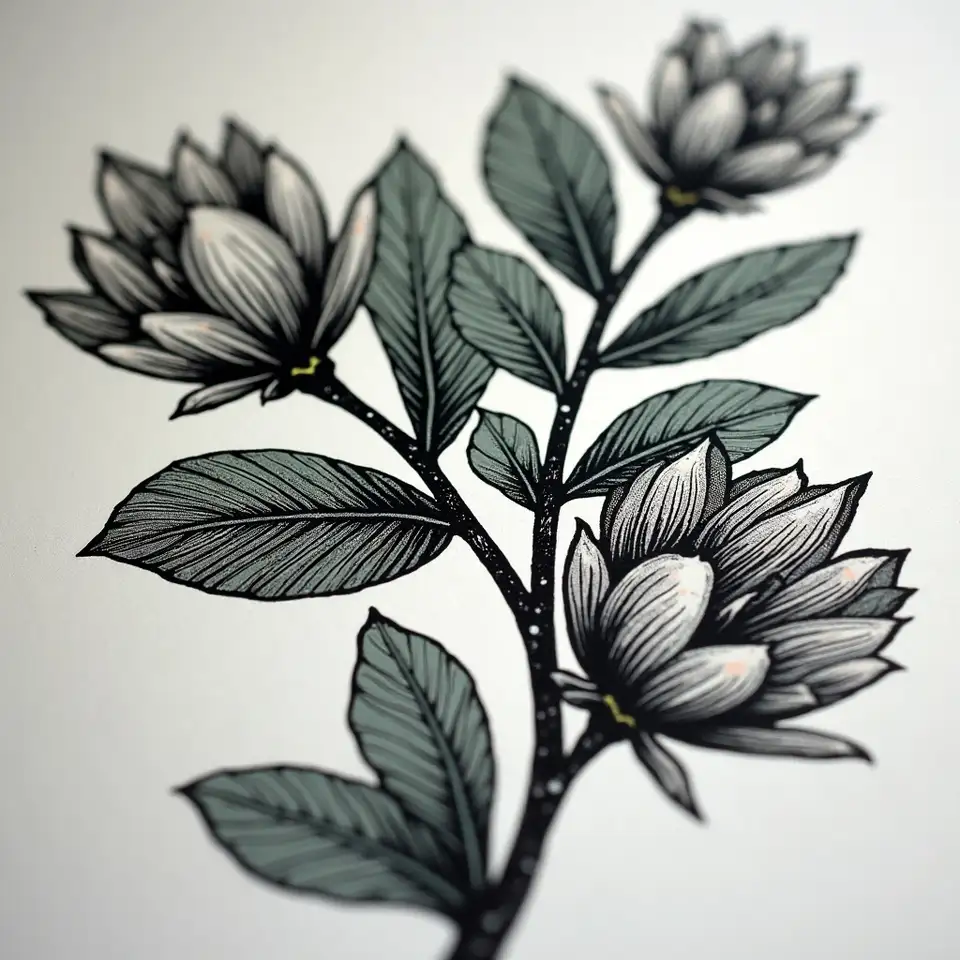
Botanical series — Australian flora
A self-taught maker from regional Victoria who spent a year carving the native plants growing in her backyard, developing a fine-line technique through repetition rather than formal instruction. Her eucalyptus prints demonstrate how sustained focus on a single subject builds both skill and a coherent body of work.
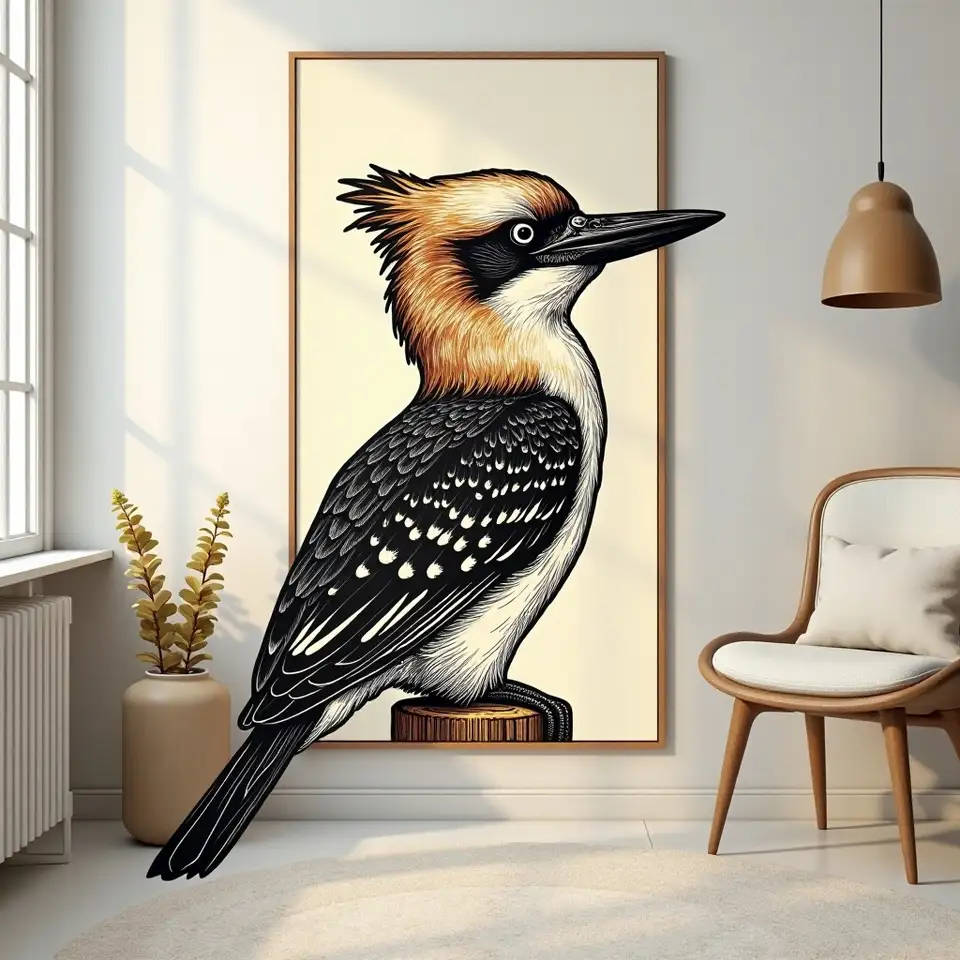
Australian wildlife portraits
A retired schoolteacher from Adelaide who began carving bird portraits as a retirement project and now produces two-colour reduction prints of Australian native birds. His kookaburra series required solving the technical challenge of aligning two print layers by hand without a registration jig.
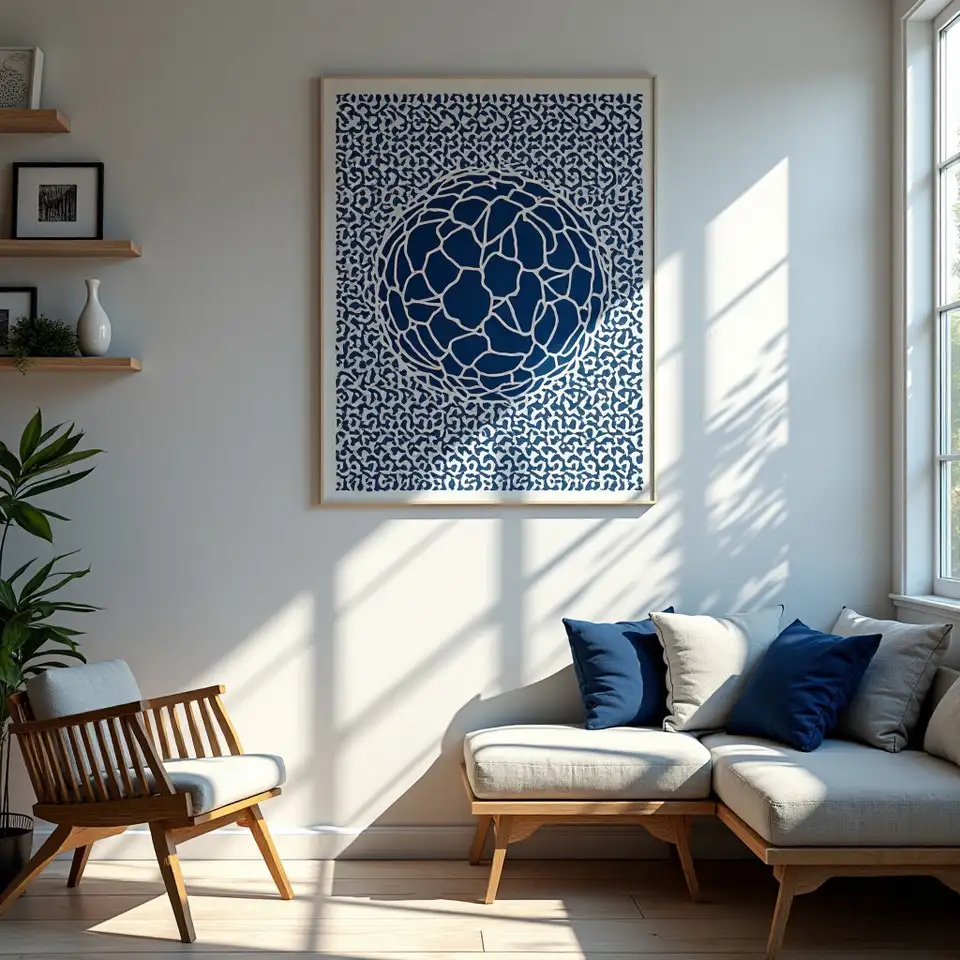
Geometric abstraction series
A graphic designer from Sydney who uses linocut to explore pattern-making away
from the screen. Her geometric series began as a weekend experiment and expanded
into a body of work that explores how the limitations of the carved block shape
and sometimes improve a design that started as a digital sketch.
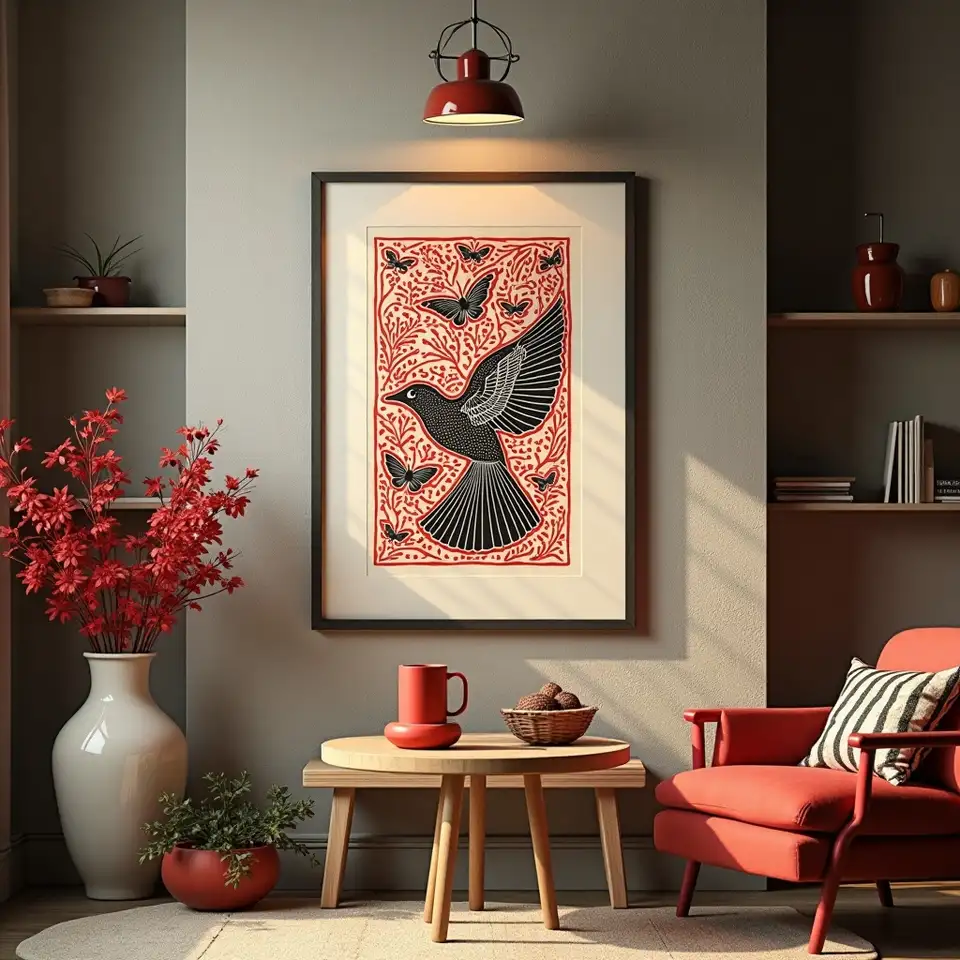
Folk art motifs — bird and branch
A maker from Hobart with an interest in Scandinavian folk art traditions who adapted traditional motifs for linocut, working out how to achieve the flat, graphic quality of folk illustration using carving tools rather than painted brushstrokes. Her prints are often given as gifts and framed.
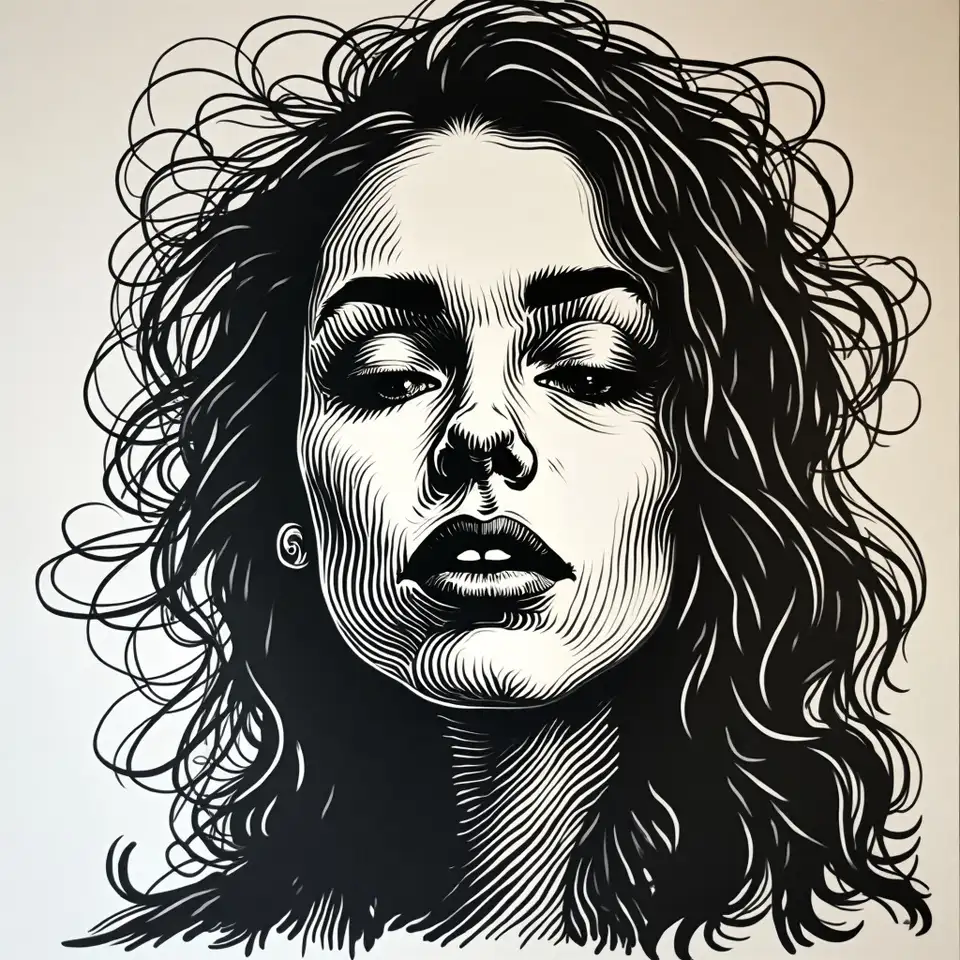
Expressive portraiture in linocut
A Brisbane-based maker who came to linocut from a background in charcoal drawing and found the constraint of carving — the inability to erase, the need to commit — transformed how she approached a face. Her portrait series uses bold, simplified line work that could only have been made with a gouge.
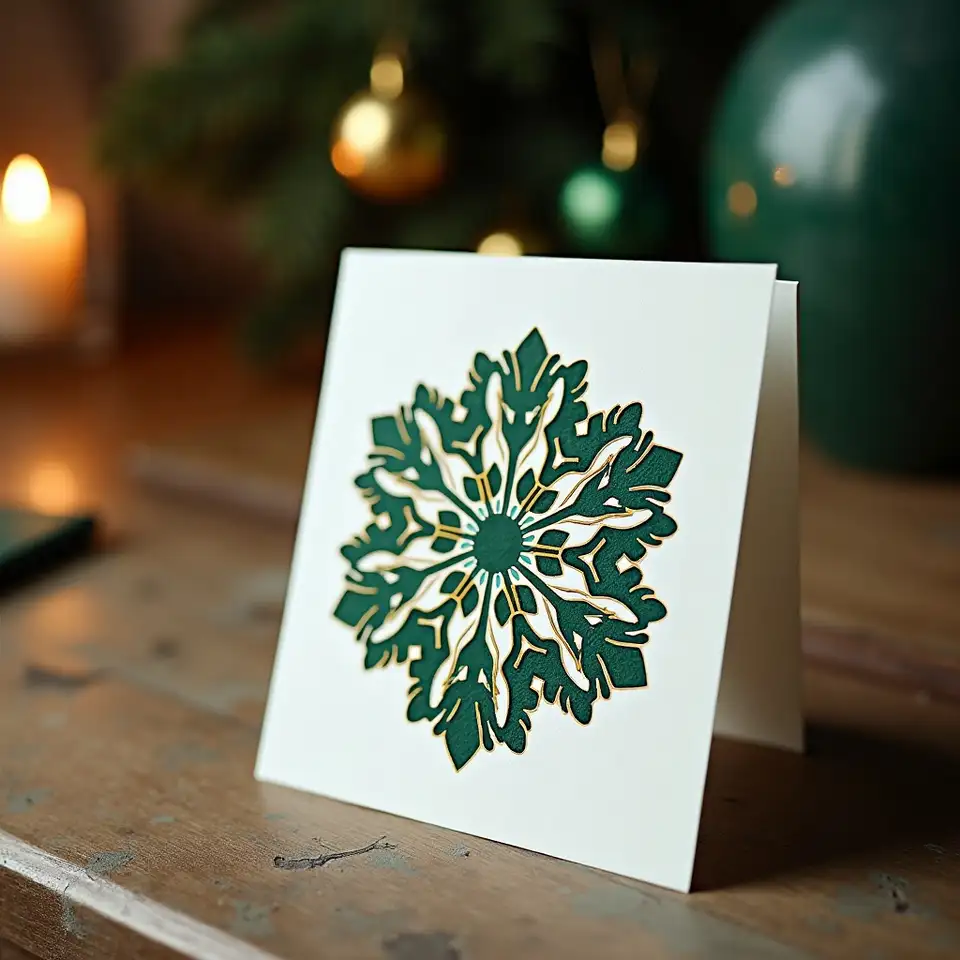
Seasonal cards — winter collection
A Melbourne maker who prints a small edition of seasonal cards each year using a
single carved block, varying the ink colour across the edition. Her winter
collection demonstrates how a modest, well-carved design can produce prints that
function beautifully as handmade gifts on a genuinely limited budget.
New prints, new guides, seasonal challenges
Welcome to the community